
How to Build Your Wedding Day Photo Timeline
(So Nothing Important Is Missed)
One of the most common questions couples ask me is:
“How do we build a wedding day photo timeline without feeling rushed?”
The good news is a great wedding photography timeline doesn’t need to be complicated. In fact, the best timelines usually start with just one fixed point (your ceremony start time) and everything else flows from there.
As a wedding photographer, this is exactly how I approach timeline planning with my couples: we start with the ceremony and work backwards and forwards to create a day that feels calm, intentional, + realistic.
Here’s how it works:
Start With the One Thing That Usually Can’t Move: Your Ceremony Time
Your ceremony start time serves as the anchor of your entire wedding day.
Once that time is set, it becomes much easier to plan:
When you’ll get ready
When portraits should happen
How much buffer time you’ll need
When you can slow down and be present
Instead of guessing how the day might unfold, starting with the ceremony gives you a clear reference point and prevents last-minute scrambling.
Work Backwards: Planning the Day Before the Ceremony
This is where a lot of stress can be avoided.
Getting Ready Photos
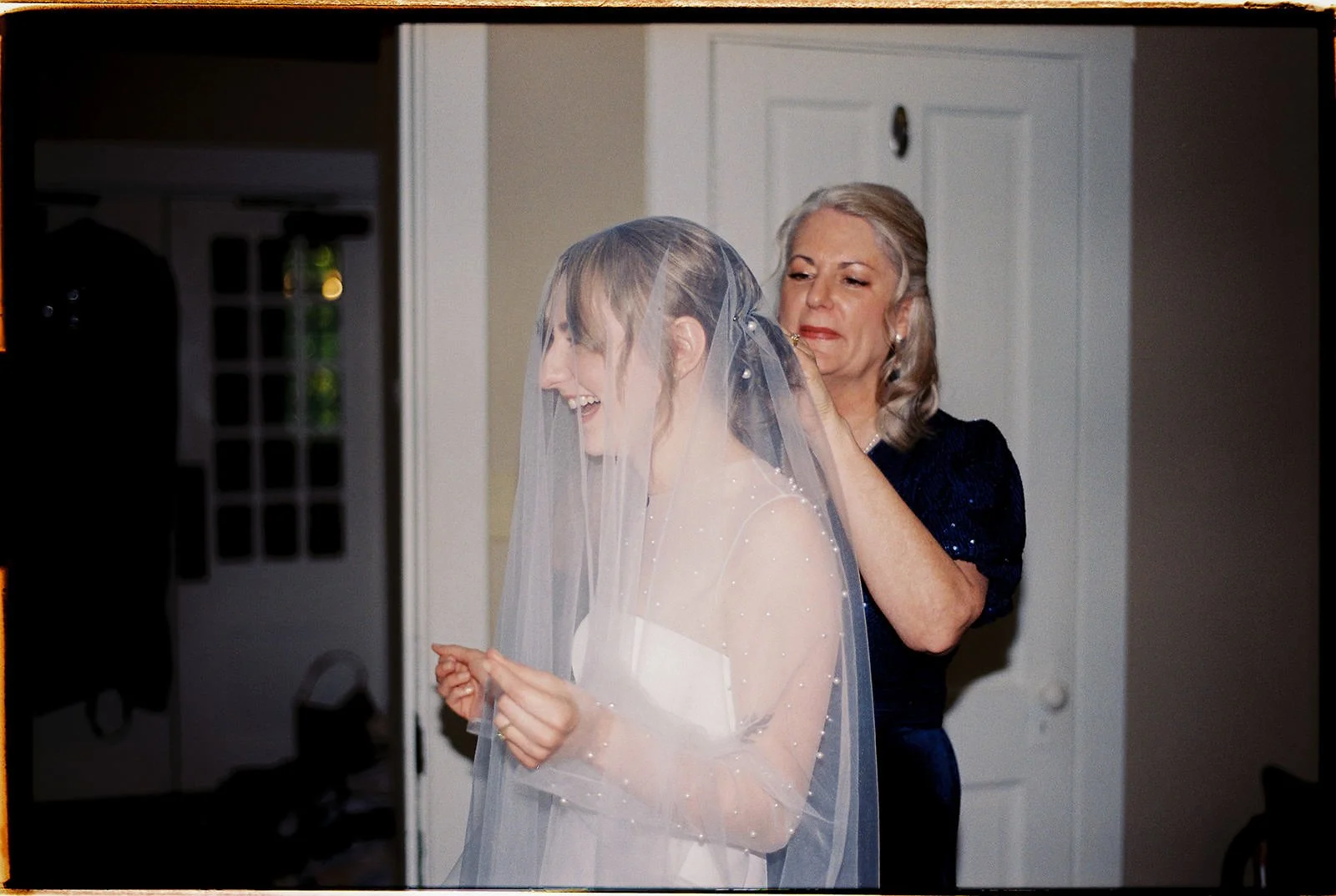
It’s easy to underestimate how long getting ready actually takes. Hair, makeup, final details, and simply being with your people may require more time than expected.
I usually recommend having your photographer arrive once hair and makeup are nearing completion, not at the very beginning. The time spent sitting in a makeup chair often ends up being quiet; bridal parties are scrolling on their phones, waiting their turn, and there isn’t much natural interaction happening yet.
A great sweet spot is having photo coverage begin about 15 minutes before you’re ready to put on your dress. This allows time for final touches, meaningful moments with your people, + the natural energy to start building.
Of course, there are exceptions. If you’re getting ready in a space with lots of beautiful light, meaningful details, or shared moments unfolding while hair and makeup are happening, starting earlier can absolutely make sense. The goal is always the same: to document the parts of the morning that feel alive and connected, not just the process itself.
A good rule of thumb:
Hair and makeup should finish at least 45–60 minutes before you need to leave
This allows time for photos, touch-ups, and breathing room
Rushing through getting ready is one of the quickest ways to start the day feeling behind.
First Look (If You’re Having One)
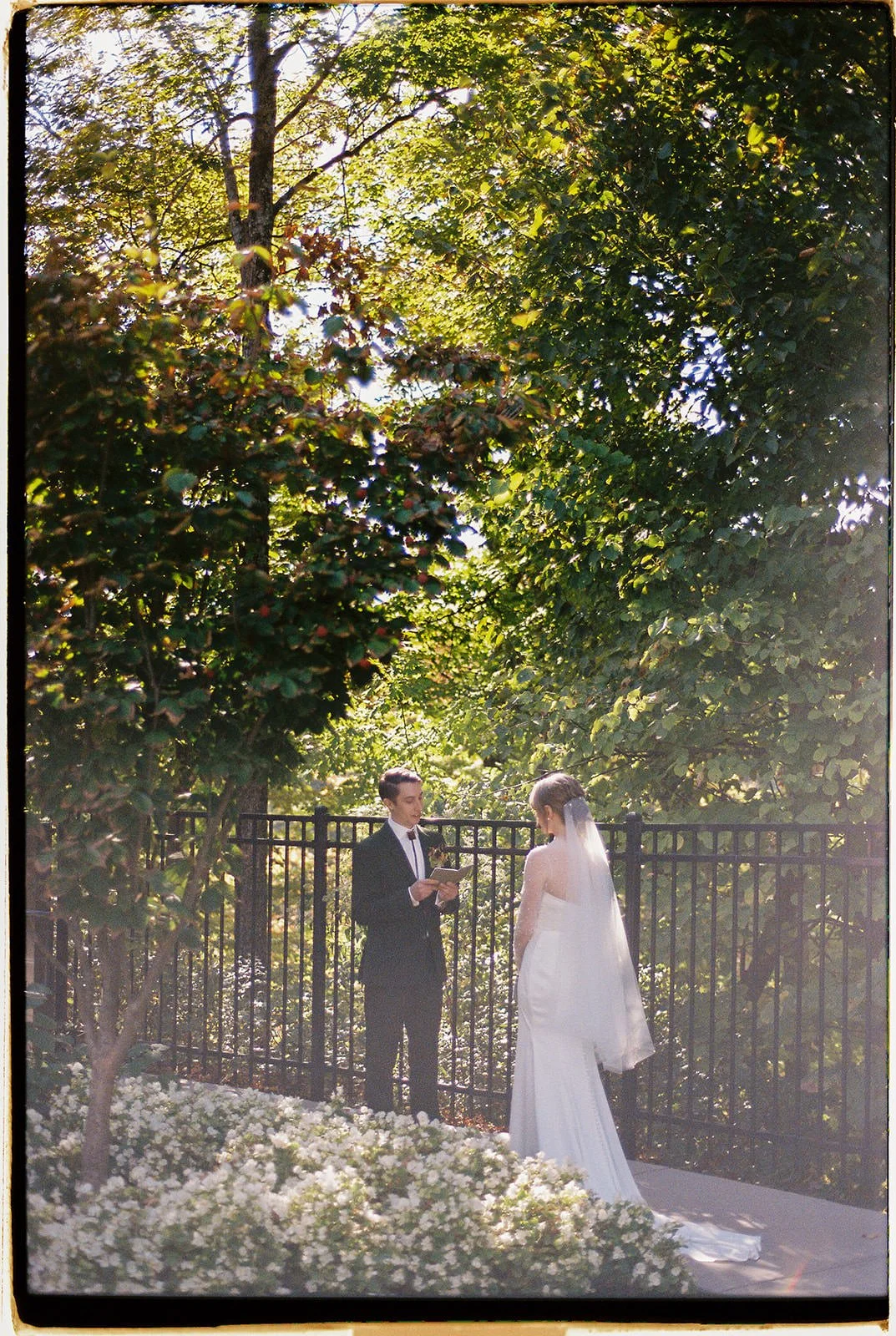
If you’re planning a first look, it typically happens 1.5–2 hours before the ceremony, depending on travel time and where portraits will take place.
One of the biggest factors I consider when setting this time is whether the first look location is visible to guests. Guests often begin arriving up to an hour before the ceremony start time, and that can impact how close to the ceremony your first look can realistically happen.
If your first look is in a private or separate space, you have more flexibility and can schedule it closer to ceremony time. If it’s in a more public or open area, it’s usually best to plan it earlier or leave yourselves time to step out of view once guests begin arriving. This helps preserve the intimacy of the moment and keeps things from feeling rushed or uncomfortable.
Why this matters:
It allows for relaxed, unhurried couple portraits
It can take pressure off post-ceremony photos
It gives you more intentional time together on your wedding day
Think of a first look as a way of creating space. Space to breathe, to connect, and to start your day together in a calm + meaningful way.
Wedding Party & Immediate Family Photos
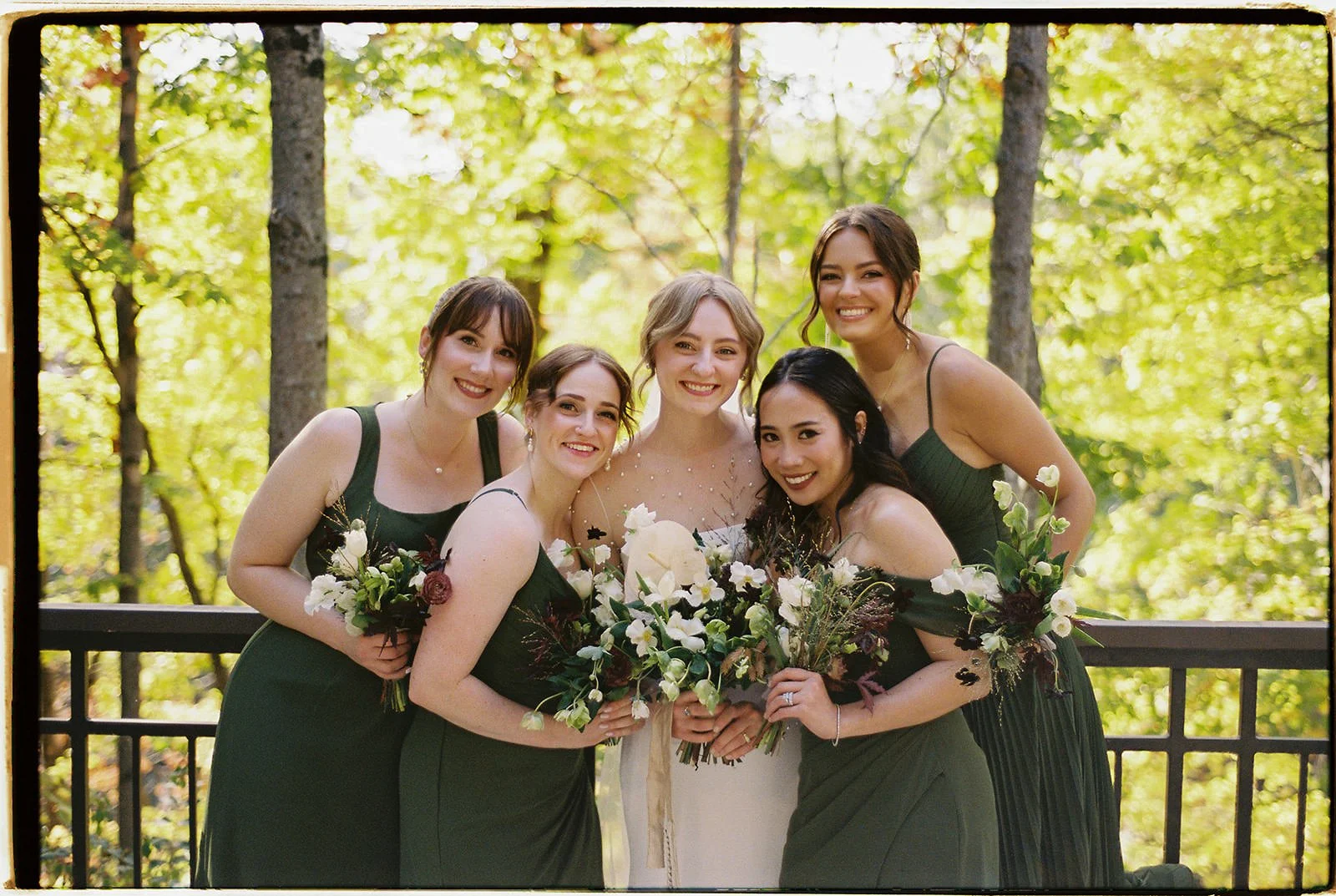
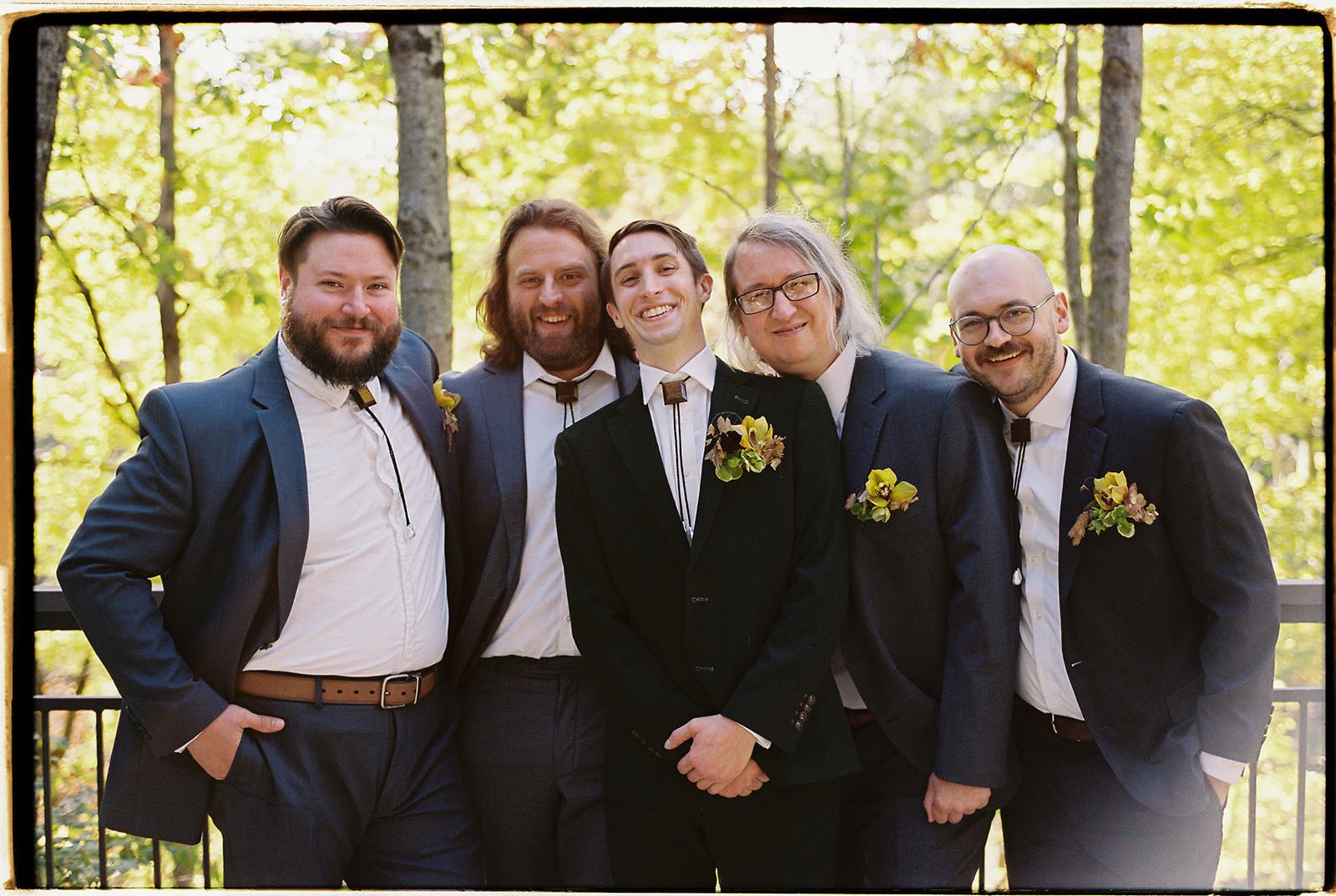
If you want wedding party photos before the ceremony, plan for:
30–45 minutes total
Clear communication about where people need to be
This keeps things efficient and avoids pulling people away during cocktail hour later.
The Ceremony: Let It Be What It Is
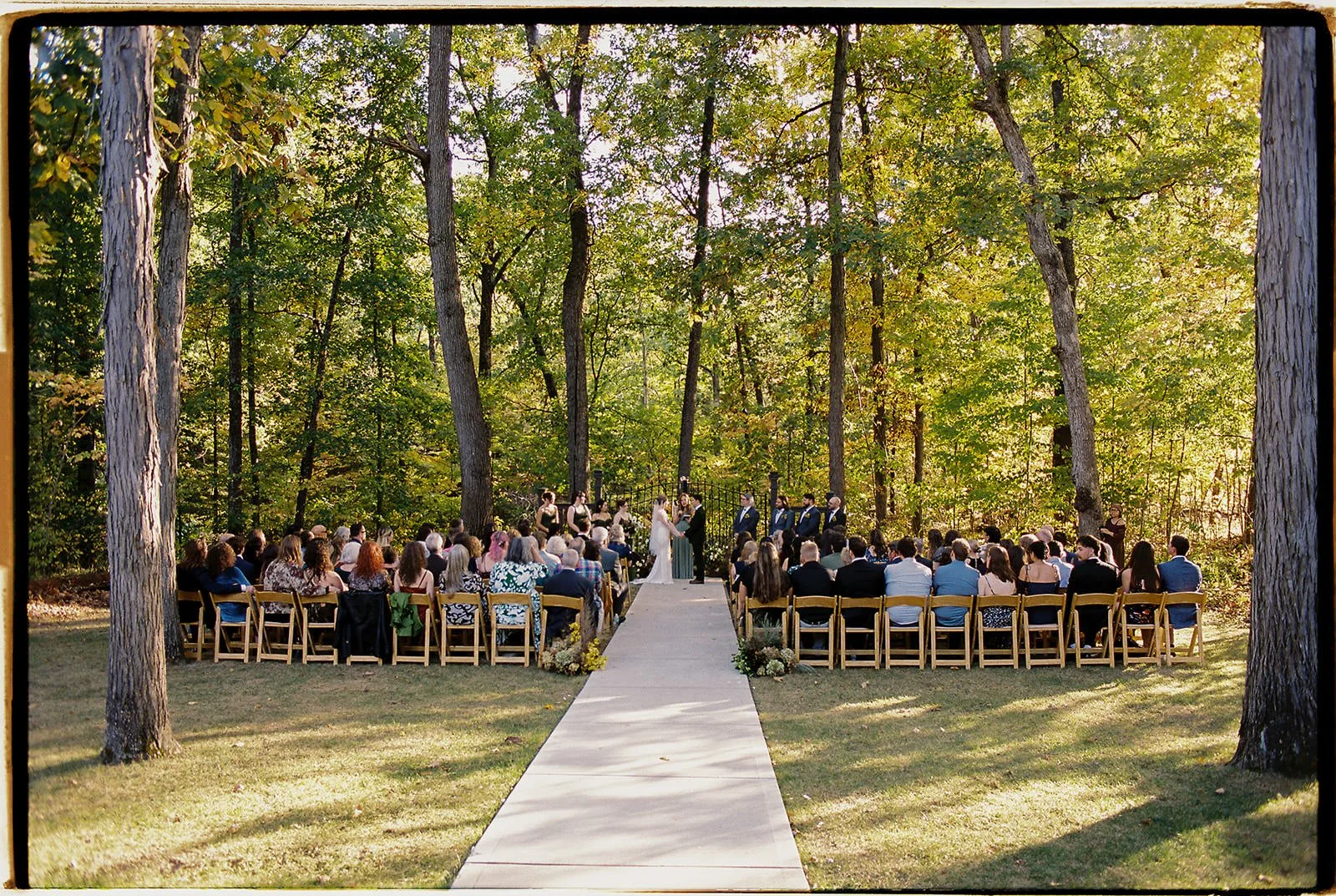
Once your ceremony begins, the timeline should slow down, not speed up.
Whether it’s short and sweet or full of emotion, this is a moment you don’t want to rush emotionally, even if the schedule feels tight.
Building buffer time before the ceremony ensures:
You’re not arriving stressed
Guests are settled
You can actually soak in the moment
Work Forward: After the Ceremony
Family Photos
Family photos usually take 20–30 minutes, depending on group size and planning.
The key to keeping this smooth:
Create a list ahead of time
Start with immediate family
Keep it organized but relaxed
A little preparation here saves a lot of time and energy. If you have someone on site that knows all your important people, maybe hand them a copy of the list + ask them to assist the photographer in wrangling up the various combos.
Couple Portraits
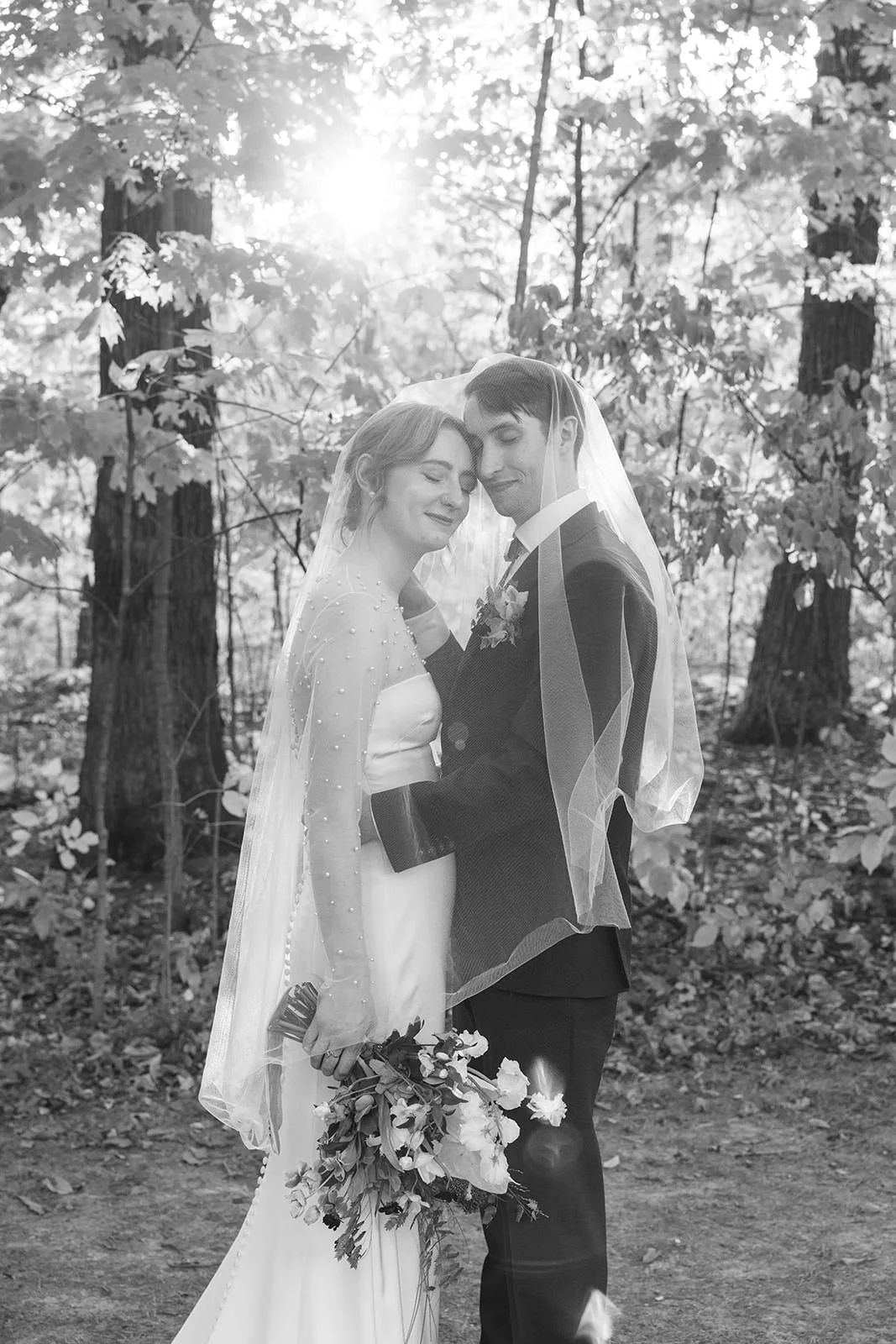
Even if you’ve already done portraits earlier in the day, it’s always a good idea to plan 10–20 minutes after the ceremony for just the two of you.
This gives you:
Fresh, joyful energy
Time to reconnect + reflect
Photos that reflect that just married feel
These are often some of the most meaningful images of the day + truthfully don’t need much posing guidance because you will be riding that adrenaline wave of just saying your “I Do’s”. Oftentimes, couples will opt to do this mini round of portraits during sunset if there’s a good viewpoint at your venue.
Cocktail Hour & Reception
Once the reception begins, the timeline should fade into the background a bit.
At this point, the goal is presence and definitely not checking the clock. Your photographer will likely just want to know the flow of any of the more traditional aspects of a reception you’ll be including (first dances, toasts, etc.).
A well-built wedding photography timeline allows:
Natural candids
Unrushed moments with guests
Space for emotion and celebration
Leave Room for Breathing, FUTURE YOU WILL BE GrATEFUL
One of the common mistakes couples make when building a wedding day photo timeline is packing it too tightly.
The most meaningful moments often happen:
Between scheduled events
During transitions
When no one is rushing you
Adding buffer time allows moments to linger and that’s where the best photos usually come from.
Trust the Process (and the People Helping You)
A good wedding photography timeline is about creating a structure that supports your experience without that feeling of controlling every minute.
When couples trust the process and the vendors helping guide them, the day feels lighter and the photos are sure to reflect that ease.
Final Thoughts
The best wedding day photo timelines start with one simple step:
set your ceremony time — then build around it with intention.
This will create a timeline that supports presence + nothing important gets missed.